 by Dr. Sneha Dholakiya
 21 September 2026
What Are the Early Symptoms of Hypothyroidism?
Hypothyroidism, or an underactive thyroid, often develops slowly, which means early symptoms can be easy to dismiss as tiredness, stress, or simply getting older. Recognizing these early signs matters, since untreated hypothyroidism can affect energy, weight, mood, and heart health over time. This article covers the early symptoms of hypothyroidism, how they can differ between women and men, what causes the condition, and the blood tests doctors use to confirm a diagnosis.
What Is Hypothyroidism?
Hypothyroidism occurs when the thyroid gland, a small butterfly shaped gland in the neck, doesn’t produce enough thyroid hormone. Thyroid hormone plays a central role in regulating metabolism, so when levels drop, many of the body’s functions slow down. Hypothyroidism is one of the most common thyroid disorders and tends to develop gradually, which is why early symptoms are often mild and easy to overlook.
What Are the Early Symptoms of Hypothyroidism?
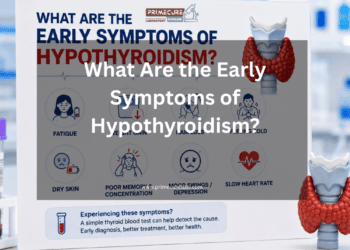
The early symptoms of hypothyroidism can be subtle at first and tend to worsen slowly over months or even years if left unaddressed. Common early signs include:
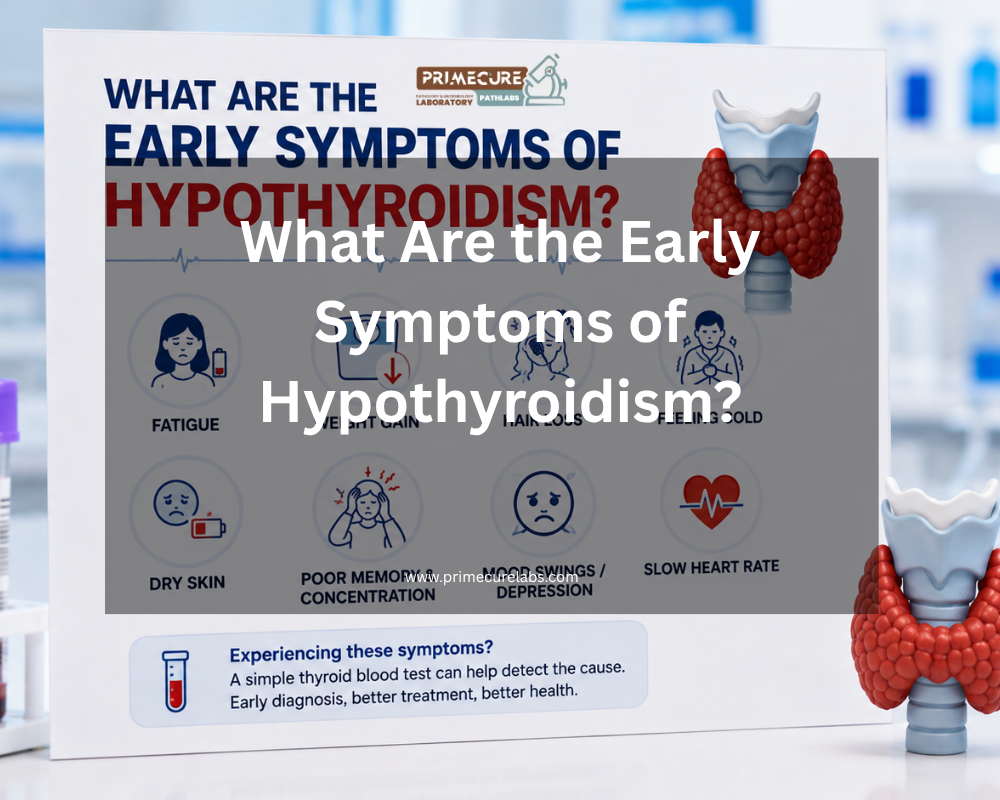
- Persistent fatigue, even after adequate sleep
- Unexplained weight gain or difficulty losing weight
- Feeling cold more often than those around you
- Dry skin and brittle nails
- Hair thinning or hair loss
- Constipation
- Muscle aches, weakness, or stiffness
- Low mood or mild depression
- Slower heart rate
- Difficulty concentrating, sometimes described as brain fog
Early Signs of an Underactive Thyroid
In the earliest stages, symptoms are often mild enough that people attribute them to everyday stress or lifestyle factors rather than a thyroid problem. A gradual dip in energy, slightly slower digestion, or skin that feels drier than usual are common early clues. Because these signs build up slowly, many people only recognize the pattern in hindsight, after a blood test confirms an underactive thyroid.
Hypothyroidism Symptoms in Women
Hypothyroidism is more common in women, and it can present with some additional symptoms tied to reproductive health, including:
- Irregular or heavier than usual menstrual cycles
- Difficulty conceiving
- Symptoms that may worsen or first appear during or after pregnancy
- Increased fatigue or mood changes that are sometimes mistaken for postpartum changes
Because thyroid function and reproductive hormones are closely connected, women experiencing unexplained menstrual changes alongside fatigue or weight gain may want to discuss thyroid testing with their doctor.
Hypothyroidism Symptoms in Adults
While hypothyroidism can occur at any age, its presentation in adults often includes a mix of physical and cognitive symptoms:
- Puffiness or swelling in the face
- A hoarse voice
- Elevated cholesterol levels found on routine blood work
- Joint pain or muscle weakness
- Memory difficulties or slowed thinking
- Reduced tolerance for cold temperatures
Because many of these symptoms overlap with normal aging or other conditions, a blood test remains the most reliable way to confirm whether hypothyroidism is the underlying cause.
What Causes Hypothyroidism?
Hypothyroidism can develop for several reasons, including:
- Hashimoto’s thyroiditis, an autoimmune condition where the immune system attacks the thyroid gland, is the most common cause in many regions.
- Iodine deficiency, since the thyroid requires iodine to produce hormone.
- Previous thyroid surgery, which can reduce the amount of functioning thyroid tissue.
- Radiation therapy to the neck, which can damage the thyroid gland.
- Certain medications, which may interfere with thyroid hormone production.
- Pituitary gland issues, though this is a less common cause, since the pituitary gland regulates thyroid activity through TSH.
Risk Factors for Hypothyroidism
You may be at higher risk of developing hypothyroidism if you:
- Are a woman, particularly over the age of 60
- Have a family history of thyroid disease
- Have another autoimmune condition
- Have had previous thyroid surgery or radiation treatment
- Are pregnant or have recently given birth
- Have a history of thyroid nodules or goiter
How Is Hypothyroidism Diagnosed?
Since symptoms alone can’t confirm hypothyroidism, doctors rely on blood tests to measure thyroid hormone levels.
TSH Test
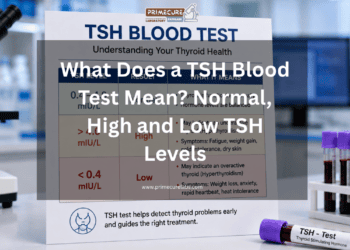
The TSH test is usually the first test ordered when hypothyroidism is suspected. A high TSH level often indicates that the pituitary gland is working harder to stimulate an underactive thyroid, which is a strong early indicator of hypothyroidism.
T3 and T4 Tests
T3 and T4 tests measure the actual hormones produced by the thyroid gland. In hypothyroidism, T4 levels are often low, while TSH is elevated. These tests, sometimes combined into a thyroid profile test, help confirm the diagnosis and clarify how significant the hormone imbalance is.
When Should You Get Tested for Hypothyroidism?
Consider getting a thyroid function test if you:
- Notice several of the early symptoms mentioned above, especially if they persist for weeks
- Have a family history of thyroid disease
- Are pregnant or planning pregnancy
- Have noticed swelling in the front of your neck
- Have unexplained changes in menstrual cycles
- Have another autoimmune condition
- Are already being treated for hypothyroidism and need routine monitoring
Hypothyroidism Testing in Ahmedabad
If you’re noticing possible symptoms of an underactive thyroid and are looking for hypothyroidism testing in Ahmedabad, Primecure Labs offers TSH, T3, T4, and complete thyroid profile testing from its facility in Nikol, Ahmedabad. Whether you need a thyroid test near Nikol, Ahmedabad, for an initial screening or a TSH test to monitor an existing condition, choosing a lab that follows standardized testing protocols helps ensure your results are accurate and dependable.
Thyroid Test Home Collection in Ahmedabad
For those who prefer not to visit a diagnostic centre, thyroid blood test home collection in Ahmedabad is available through Primecure Labs. A trained professional draws the sample at your home, which is then processed using the same standardized methods used for in-clinic testing, making a TSH test at home in Ahmedabad a convenient option, especially for those already managing fatigue or other hypothyroidism symptoms.
Choosing a Reliable Thyroid Testing Lab in Ahmedabad
When comparing labs in Ahmedabad for hypothyroidism testing, it helps to consider:
- Turnaround time: Same day thyroid test results in Ahmedabad help you and your doctor act quickly on findings.
- Affordability: An affordable thyroid profile test in Ahmedabad should still be backed by accurate, standardized testing methods.
- Convenience: Online lab test booking and home collection make it easier to get tested without disrupting your day.
- Experience: Experienced pathologists and advanced laboratory diagnostics support more reliable, consistent results.
Primecure Labs offers comprehensive lab services and patient centered pathology services for anyone searching for a thyroid testing lab near Nikol, Ahmedabad, or across the wider city.
Frequently Asked Questions
What are the very first signs of hypothyroidism?
The earliest signs are often mild and include persistent fatigue, feeling cold more often than usual, dry skin, and gradual weight gain. These symptoms tend to build up slowly rather than appearing suddenly.
How do I know if I have hypothyroidism?
Symptoms alone can’t confirm hypothyroidism, since many overlap with other conditions. A TSH blood test, often combined with T3 and T4 testing, is needed to confirm the diagnosis.
What causes hypothyroidism?
The most common cause is Hashimoto’s thyroiditis, an autoimmune condition. Other causes include iodine deficiency, previous thyroid surgery, radiation treatment, and certain medications.
Are hypothyroidism symptoms different in women?
Women may experience additional symptoms related to reproductive health, such as irregular menstrual cycles or difficulty conceiving, alongside the more general symptoms of fatigue and weight gain.
Can hypothyroidism symptoms come and go?
Symptoms typically develop and worsen gradually rather than coming and going, though their intensity can vary depending on how significantly thyroid hormone levels have dropped and whether the condition is being treated.
How is hypothyroidism diagnosed?
Hypothyroidism is diagnosed through blood tests, primarily a TSH test, often alongside T3 and T4 testing, to confirm low thyroid hormone levels and rule out other causes of similar symptoms.
Conclusion
The early symptoms of hypothyroidism, including fatigue, weight gain, feeling cold, and dry skin, are easy to overlook because they develop gradually and resemble everyday tiredness or stress. If these symptoms persist, a TSH test remains the most reliable way to confirm whether an underactive thyroid is the cause. Primecure Labs in Nikol, Ahmedabad, offers TSH, T3, T4, and complete thyroid profile testing, with the option of home collection for added convenience.

Dr. Sneha Dholakiya, M.D. is an experienced Pathologist at Primecure Pathlabs, Ahmedabad. With a strong background in diagnostic pathology and experience at reputed healthcare institutions, she specializes in providing accurate and timely diagnostic insights, helping patients and healthcare providers make informed medical decisions.