 by Dr. Sneha Dholakiya
 20 August 2026
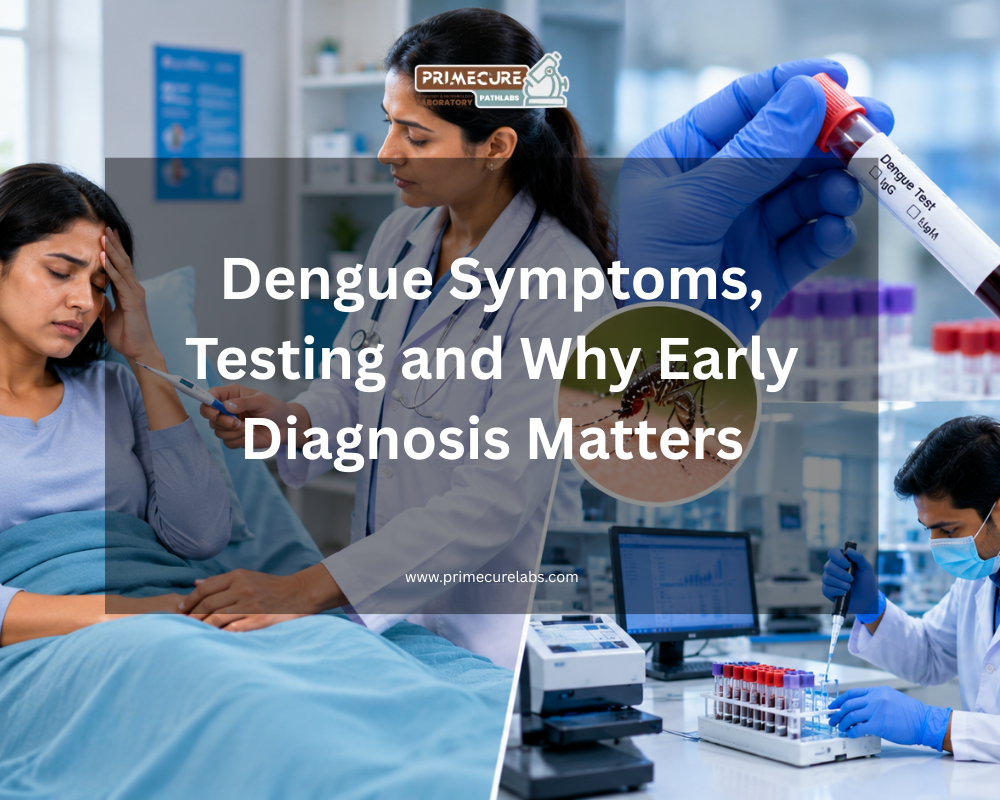
Dengue is a mosquito-borne viral infection that can cause high fever, headache, body pain, nausea, vomiting and skin rash. Because these symptoms can resemble other infections, laboratory testing is important when dengue is suspected. The video highlights dengue antibody testing and explains why understanding laboratory results is important when evaluating a possible infection.
For people experiencing fever or symptoms that may indicate dengue, timely medical consultation and appropriate blood testing can help identify the cause. WHO states that clinical symptoms alone may not be enough because dengue can resemble other febrile illnesses. Laboratory confirmation can support diagnosis and clinical management.
What Is Dengue
Dengue is caused by dengue viruses and is mainly transmitted through infected Aedes mosquitoes. It is common in tropical and subtropical regions, including India. Symptoms generally develop several days after infection and may last for a few days to a week or longer.
Common Symptoms of Dengue
Common dengue symptoms include:
- High fever
- Severe headache
- Pain behind the eyes
- Muscle, bone or joint pain
- Nausea or vomiting
- Skin rash
- Fatigue and weakness
Not everyone experiences the same symptoms. Fever should not automatically be considered dengue because malaria, chikungunya, viral infections and other illnesses can cause similar complaints. A healthcare professional can determine whether dengue testing is appropriate.
Why Dengue Blood Testing Is Important
A blood test can provide important evidence when dengue infection is suspected. The most suitable test can depend on how many days have passed since symptoms started. WHO guidance explains that dengue testing strategies should consider the stage of illness because different markers may be detectable at different times.
Common dengue investigations include NS1 antigen testing, molecular tests and serological tests for dengue antibodies such as IgM and IgG. The choice of test depends on the stage of infection and the patient’s clinical situation.
Understanding the Dengue NS1 Test
NS1 stands for non-structural protein 1. NS1 antigen can be detected during the early phase of dengue infection and may help with early laboratory diagnosis.
WHO guidance recommends methods such as NAAT for viral RNA, NS1 antigen detection or combinations such as NS1 with IgM during the early phase, depending on the clinical and laboratory context.
The timing of the blood sample is therefore important. Patients should follow medical advice regarding which dengue test is appropriate and when it should be performed.
What Does Dengue IgM Test Mean
IgM is an antibody produced by the immune system during an infection. Dengue IgM testing can help identify a recent immune response to dengue virus.
The video specifically highlights IgM antibody testing and shows how laboratory results can support evaluation of suspected dengue infection. A positive IgM result may support recent dengue infection, but results should be interpreted with symptoms, the day of illness and other laboratory findings. WHO recognizes dengue specific IgM as an important serological marker used in diagnosis.
IgM may not be detectable very early in the illness. This is why test timing is important and why a single result should not be interpreted without clinical context.
What Does Dengue IgG Test Mean
IgG is another type of antibody. Dengue IgG can be associated with previous exposure or a later immune response. Its interpretation can be more complicated because antibodies may remain after an earlier infection.
NS1, IgM and IgG provide different types of information, so the appropriate combination depends on the stage of illness and the patient’s clinical situation. A healthcare professional should interpret the results together with symptoms and medical history.
Dengue Testing and Platelet Count
Patients with dengue are often advised to monitor blood counts, particularly platelet levels, during medical follow-up. A CBC test measures red blood cells, white blood cells, hemoglobin and platelets.
However, platelet count alone cannot confirm dengue. Dengue specific testing may be needed along with CBC monitoring based on medical advice. Changes in platelet count and other blood parameters can help doctors monitor a patient’s condition, but results must be interpreted alongside symptoms and clinical findings.
Warning Signs of Severe Dengue
Most people recover from dengue, but some patients can develop severe disease. Warning signs may appear around the time the fever starts to decrease, so a lower temperature does not always mean the illness is over.
Seek urgent medical care if there is severe abdominal pain, persistent vomiting, bleeding from the nose or gums, blood in vomit or stool, rapid breathing, extreme weakness, restlessness, or pale and cold skin.
Dengue Testing in Ahmedabad
If you are searching for a dengue test in Ahmedabad or a dengue blood test in Nikol, choosing an established diagnostic laboratory can make testing more convenient. Primecure Pathlabs in Nikol, Ahmedabad provides pathology and diagnostic services, including serology and hematology testing. The laboratory also offers home sample collection according to its website.
Primecure Pathlabs lists dengue immune response testing among its infectious disease serology services. Its laboratory services are designed to support disease detection, health monitoring and clinical decision-making.
Why Timely Dengue Diagnosis Matters
Dengue symptoms can overlap with other infections, so relying only on symptoms can make diagnosis difficult. Laboratory testing provides valuable information that can help healthcare professionals evaluate suspected infection and decide on appropriate monitoring and care.
Testing at the appropriate stage of illness is important because dengue virus components and antibodies can appear at different times. If you have a fever and suspect dengue, speak with a healthcare professional and provide information about when your symptoms began.
Conclusion
Dengue should not be ignored when fever, severe headache, body pain, nausea, vomiting or rash develops, particularly in areas where dengue transmission occurs. The video emphasizes the importance of dengue antibody testing and understanding results such as IgM and IgG.
Dengue diagnosis may involve NS1 antigen testing, molecular testing, IgM or IgG antibody testing and other laboratory investigations depending on the stage of illness. CBC testing may also be used to monitor blood parameters, including platelet levels, but it does not independently confirm dengue.
If you are experiencing symptoms, seek medical advice and get the appropriate dengue test at the recommended time. Early recognition and proper medical care can help reduce the risk of complications.

Dr. Sneha Dholakiya, M.D. is an experienced Pathologist at Primecure Pathlabs, Ahmedabad. With a strong background in diagnostic pathology and experience at reputed healthcare institutions, she specializes in providing accurate and timely diagnostic insights, helping patients and healthcare providers make informed medical decisions.