 by Dr. Sneha Dholakiya
 3 September 2026
If you’ve been feeling unusually thirsty, tired, or noticing frequent trips to the bathroom, you might be wondering whether these are early signs of diabetes. Diabetes often develops gradually, and many people miss the early symptoms because they seem mild or unrelated. This walks through the early warning signs of diabetes, what causes high blood sugar, and the blood tests doctors use to confirm a diagnosis, including fasting blood sugar and HbA1c tests, so you know exactly what to watch for and when to get tested.
What Are the Early Signs of Diabetes?
The early signs of diabetes appear because excess sugar builds up in the blood instead of being used properly by your cells for energy. The most common early symptoms include:
- Increased thirst (polydipsia): high blood sugar pulls fluid from your tissues, leaving you dehydrated and thirsty.
- Frequent urination (polyuria): your kidneys work harder to filter and remove excess glucose, increasing urine output.
- Persistent fatigue: when glucose can’t enter your cells efficiently, your body lacks the energy it needs.
- Unexplained weight loss: the body may start breaking down muscle and fat for energy when it can’t use glucose properly.
- Blurred vision: high blood sugar can cause the lens of the eye to swell, temporarily affecting focus.
- Slow-healing cuts or wounds: elevated blood sugar can impair circulation and the body’s natural healing process.
- Increased hunger: even after eating, cells may not be getting the glucose they need, triggering hunger signals.
- Tingling or numbness in hands or feet: this can indicate early nerve involvement from prolonged high blood sugar.
- Frequent infections: particularly skin, gum, or urinary tract infections, since high glucose levels can weaken immune response.
Early Signs of Diabetes in Adults
In adults, symptoms often appear more gradually than in children, especially with type 2 diabetes. Some adults notice darkened patches of skin (typically around the neck or armpits), recurring yeast infections, or fatigue that they initially attribute to stress or aging. Because these signs can be subtle, many adults are diagnosed only after a routine blood test rather than from symptoms alone, which is one reason periodic screening matters, even without obvious complaints.
What Causes High Blood Sugar?
High blood sugar, or hyperglycemia, occurs when the body either doesn’t produce enough insulin or can’t use insulin effectively. Insulin is the hormone that allows glucose from food to enter your cells for energy. The underlying causes differ by diabetes type:
- Type 1 diabetes: the immune system mistakenly attacks insulin-producing cells in the pancreas, leading to little or no insulin production. This form is usually diagnosed in children and young adults, though it can occur at any age.
- Type 2 diabetes: the body becomes resistant to insulin, or the pancreas doesn’t produce enough to keep up with demand. This is the most common form and is closely linked to lifestyle and genetic factors.
- Gestational diabetes: hormonal changes during pregnancy can cause insulin resistance, leading to elevated blood sugar in some pregnant women.
- Prediabetes: blood sugar levels are higher than normal but not yet high enough to be classified as diabetes. Left unaddressed, prediabetes can progress to type 2 diabetes over time.
Risk Factors for Diabetes
Certain factors increase the likelihood of developing diabetes, particularly type 2 diabetes:
- Family history of diabetes
- Being overweight or having excess abdominal fat
- Physical inactivity
- Age (risk increases after 45, though younger adults are increasingly affected)
- High blood pressure or abnormal cholesterol levels
- History of gestational diabetes or prediabetes
- Polycystic ovary syndrome (PCOS)
- Sedentary lifestyle combined with a diet high in refined carbohydrates and sugar
Having one or more risk factors doesn’t mean you will develop diabetes, but it’s a reason to consider regular blood sugar screening.
How Is Diabetes Diagnosed? Blood Tests Explained
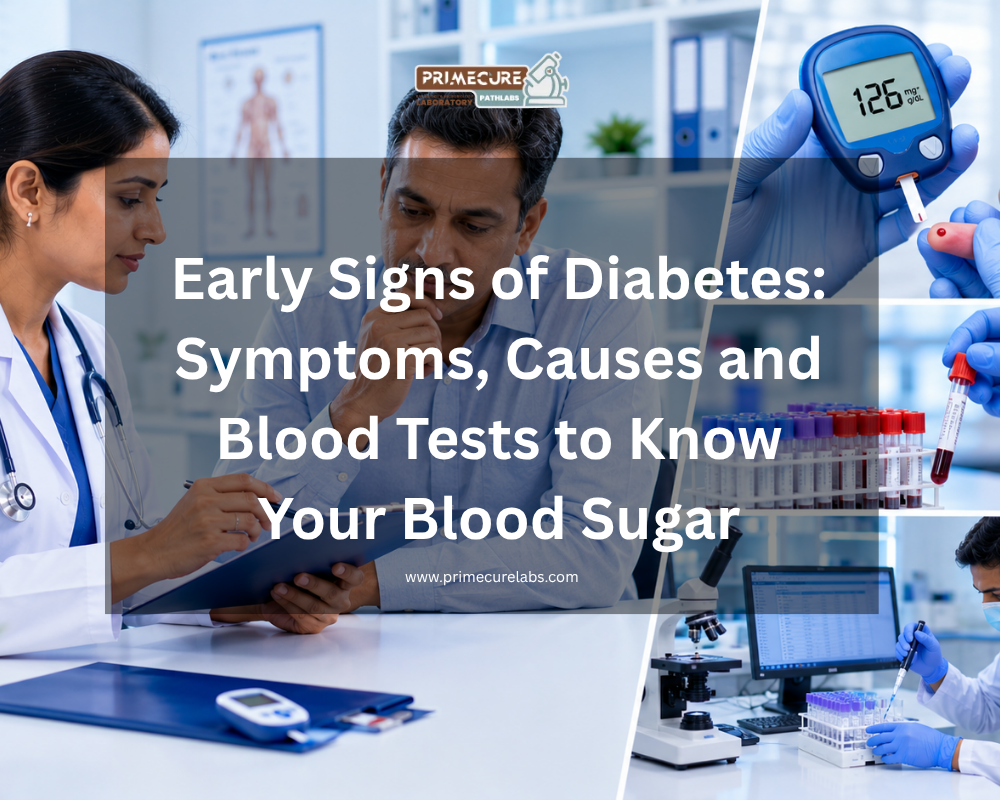
Symptoms alone cannot confirm diabetes. A blood test is required for an accurate diabetes diagnosis. Doctors typically rely on one or more of the following tests to measure blood glucose levels.
Fasting Blood Sugar Test
This test measures your blood glucose after at least 8 hours without eating or drinking anything other than water. It’s one of the most common and straightforward diabetes screening tests, usually done first thing in the morning.
HbA1c Test (Glycated Hemoglobin Test)
The HbA1c test measures your average blood sugar levels over the past two to three months by looking at how much glucose is attached to hemoglobin in red blood cells. Unlike the fasting test, it doesn’t require fasting and gives a broader picture of long-term blood sugar control, making it useful for both diagnosis and ongoing monitoring.
Random Blood Glucose Test
This measures blood sugar at any time of day, regardless of when you last ate. It’s often used when symptoms of high blood sugar are present and immediate testing is needed.
Oral Glucose Tolerance Test (OGTT)
This test measures blood sugar before and two hours after drinking a glucose solution. It shows how efficiently your body processes sugar and is commonly used to diagnose gestational diabetes as well as prediabetes.
Difference Between Blood Sugar Test and HbA1c Test
| Aspect | Blood Sugar (Glucose) Test | HbA1c Test |
| What it measures | Glucose level at a single point in time | Average blood sugar over 2 to 3 months |
| Fasting required | Yes, for fasting glucose test | No |
| Best for | Immediate glucose status, daily monitoring | Long-term blood sugar trends, diagnosis |
| Frequency of use | Can be done frequently, even daily by some patients | Typically every 3 months for monitoring |
Both tests serve different purposes, and doctors often use them together for a complete picture of blood sugar control.
Normal, Prediabetes, and Diabetes Blood Sugar Ranges
The following ranges are commonly used as general reference points. Actual reference ranges can vary slightly between laboratories, so always review results with the specific ranges provided on your report and discuss them with your doctor.
| Test | Normal | Prediabetes | Diabetes |
| Fasting Blood Sugar | Below 100 mg/dL | 100 to 125 mg/dL | 126 mg/dL or higher |
| HbA1c | Below 5.7% | 5.7% to 6.4% | 6.5% or higher |
| Random Blood Sugar | Below 140 mg/dL | 140 to 199 mg/dL | 200 mg/dL or higher (with symptoms) |
A single test result outside the normal range doesn’t automatically confirm diabetes. Doctors typically confirm findings with a repeat test or an additional test type before making a diagnosis.
When Should You Get a Diabetes Blood Test?
Consider getting a diabetes screening test if you:
- Notice one or more early symptoms mentioned above
- Have a family history of diabetes
- Are overweight or have a sedentary lifestyle
- Are over 45 years old, even without symptoms
- Had gestational diabetes during a previous pregnancy
- Have high blood pressure or high cholesterol
- Have previously been told you have prediabetes
For most adults with risk factors, periodic screening, often every one to three years as advised by a doctor, helps catch elevated blood sugar early, when lifestyle changes can have the greatest impact.
Diabetes Testing and Screening in Ahmedabad
If you’re located in Ahmedabad and looking to get tested, timely and accurate diabetes screening is easier to access than many people realize. Primecure Labs, a pathology lab based in Nikol, Ahmedabad, offers diabetes blood tests including fasting blood sugar, HbA1c, and comprehensive diabetes panels. For those who prefer not to visit a diagnostic centre in person, home collection services allow you to get a blood sugar test or HbA1c test done from the comfort of your home, with samples processed by experienced pathologists using standardized lab protocols. Choosing an pathology lab in Ahmedabad helps ensure your results are accurate and comparable to standard reference ranges, which matters when tracking blood sugar over time.
Conclusion
Recognizing the early signs of diabetes, including persistent thirst, fatigue, frequent urination, and unexplained changes in weight or vision, can prompt timely testing before complications develop. Blood sugar tests like the fasting glucose test and HbA1c test remain the most reliable way to confirm a diagnosis, since symptoms alone can’t provide a definitive answer. If you’re experiencing symptoms or fall into a higher-risk group, getting screened is a simple, worthwhile step. For those in Ahmedabad, Primecure Labs offers accessible diabetes blood testing, including HbA1c and fasting blood sugar tests, with the option of home sample collection for added convenience.

Dr. Sneha Dholakiya, M.D. is an experienced Pathologist at Primecure Pathlabs, Ahmedabad. With a strong background in diagnostic pathology and experience at reputed healthcare institutions, she specializes in providing accurate and timely diagnostic insights, helping patients and healthcare providers make informed medical decisions.