 by Dr. Sneha Dholakiya
 9 June 2026
6 Reasons Why Regular Blood Tests are Essential for Diabetics
Imagine driving a car without a dashboard, no fuel gauge, no speedometer, no warning lights. That is exactly what managing diabetes without regular blood tests feels like. You may feel fine on the outside, but silently, your blood sugar levels could be doing damage that won’t surface until it’s too late.
Diabetes is a condition that demands constant vigilance. According to the International Diabetes Federation, India is home to over 101 million people living with diabetes making it one of the largest diabetic populations in the world. Yet, a significant number of these individuals skip regular monitoring, often due to lack of awareness or perceived inconvenience.
The importance of regular blood tests in diabetes cannot be overstated. They are not just about checking your sugar levels they are your early warning system, your management tool, and your best defence against life-threatening complications. In this guide, we break down exactly why regular diabetes blood test monitoring is non-negotiable.
Reason 1: Regular Blood Tests Help You Track Blood Sugar Control
Understanding Fasting and Postprandial Blood Sugar Tests
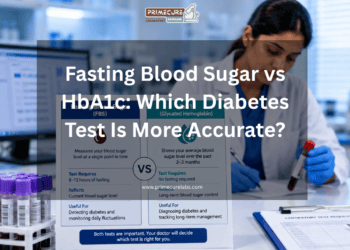
Two of the most common tests for diabetics are the fasting blood sugar (FBS) test and the postprandial blood sugar (PPBS) test.
- Fasting blood sugar test: Taken after at least 8 hours of fasting, this test reveals your baseline glucose level how well your body manages sugar when it hasn’t had food.
- Postprandial blood sugar test: Taken 2 hours after a meal, this test shows how effectively your body processes glucose after eating.
Together, these two tests paint a complete picture of your daily blood sugar fluctuations. In India, both tests are widely available at diagnostic centres, and the cost of diabetes tests is affordable enough to be done monthly or as advised by your doctor.
What the Numbers Mean
Normal fasting blood sugar should be below 100 mg/dL. For diabetics, keeping it consistently close to target reduces the risk of long-term damage to your nerves, kidneys, and eyes. Monitoring regularly not just when you feel unwell is key to staying in control.
Reason 2: The HbA1c Test Reveals Your Long-Term Sugar Average
What Is HbA1c and Why Is It Important for Diabetics?
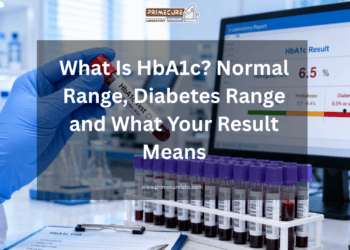
The HbA1c test (Glycated Haemoglobin test) is one of the most critical tests in diabetes management. Unlike a regular blood sugar test that shows a snapshot of your glucose at one moment, the HbA1c test reflects your average blood sugar levels over the past 2–3 months.
Think of it as your diabetes report card. It measures the percentage of haemoglobin coated with sugar the higher the percentage, the poorer the blood sugar control.
- Below 5.7%: Normal
- 5.7% – 6.4%: Pre-diabetes
- 6.5% or above: Diabetes
For most diabetics, an HbA1c below 7% is the target. The HbA1c test in India is readily available at pathology labs and diagnostic centres, often included in diabetes checkup packages.
How Often Should You Get the HbA1c Test Done?
Most endocrinologists recommend getting the HbA1c test every 3 months if your diabetes is not well-controlled, and every 6 months if your levels are stable. Skipping this test means flying blind you may think your sugar is under control, but the numbers may tell a very different story.
Reason 3: Blood Tests Enable Early Detection of Diabetes Complications
Silent Complications That Blood Tests Can Catch Early
Diabetes is notorious for causing complications that develop silently over years. Regular diabetes monitoring tests can detect these early often before symptoms appear:
- Kidney damage (Diabetic Nephropathy): A serum creatinine and urine microalbumin test can detect early kidney stress.
- Liver health: Liver function tests (LFTs) are important since some diabetes medications can affect the liver.
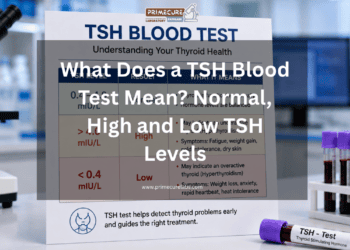
- Thyroid disorders: Hypothyroidism is more common in diabetics and can worsen blood sugar control. A TSH test helps detect this.
- Lipid imbalances: High LDL cholesterol and triglycerides dramatically increase cardiovascular risk in diabetics.
Early detection of diabetes complications through blood tests gives you a crucial head start. Catching abnormalities at an early stage allows your doctor to adjust treatment before irreversible damage occurs.
Reason 4: Regular Testing Guides Medication and Lifestyle Adjustments
How Blood Tests Help Control Diabetes Effectively
Diabetes management is not a set-it-and-forget-it process. Your body’s response to medication, diet, and exercise changes over time. Regular blood tests provide the data your doctor needs to:
- Adjust insulin dosage or oral medication
- Recommend dietary changes based on postprandial glucose spikes
- Identify whether your current treatment plan is working
- Detect hypoglycaemia (dangerously low blood sugar) patterns
Without up-to-date blood test results, your treating doctor or endocrinologist for diabetes is essentially making decisions in the dark. In India, where diabetes management often involves a combination of medication and lifestyle change, this data is absolutely vital.
Practical Tips for Getting the Most From Your Tests
- Always note the time of your last meal before a blood draw
- Maintain a log of your test results to share with your doctor
- Don’t skip tests just because you “feel fine” many complications are asymptomatic
- Ask your doctor for a complete diabetes testing panel, not just a single sugar test
Reason 5: Diabetes Blood Test Monitoring Reduces the Risk of Hospitalisation
Preventing Emergencies Through Consistent Monitoring
One of the most compelling benefits of regular diabetes health checkups is the reduction in emergency hospital visits. Poorly controlled diabetes can lead to:
- Diabetic Ketoacidosis (DKA): A life-threatening condition caused by very high blood sugar
- Hyperosmolar Hyperglycaemic State (HHS): Dangerous dehydration and extremely high glucose
- Severe hypoglycaemia: Dangerously low sugar causing loss of consciousness
Each of these conditions is largely preventable with consistent monitoring. Studies consistently show that diabetics who undergo regular blood tests and follow-ups have better outcomes and fewer hospitalisations compared to those who don’t.
For working professionals and busy families in India, the availability of home blood test services in India has made this easier than ever. Several diagnostic labs offer doorstep sample collection, making regular health checkups for diabetics more convenient and accessible than before.
Reason 6: Regular Blood Tests Support Holistic Diabetes Care
Which Blood Tests Are Required for Diabetes Monitoring?
Test | Frequency | Purpose |
Fasting Blood Sugar (FBS) | Monthly or as advised | Baseline glucose check |
Postprandial Blood Sugar (PPBS) | Monthly or as advised | Post-meal glucose control |
HbA1c | Every 3–6 months | Long-term sugar average |
Lipid Profile | Every 6 months | Cardiovascular risk |
Kidney Function Test (KFT) | Every 6–12 months | Renal health |
Liver Function Test (LFT) | Every 6–12 months | Liver health |
Thyroid Profile (TSH) | Annually | Thyroid-diabetes link |
Urine Microalbumin | Annually | Early kidney damage |
Complete Blood Count (CBC) | Annually | Overall health screen |
A comprehensive diabetes care plan includes more than just sugar tests. Here is a complete diabetes testing guide for patients:Many diagnostic centres across India offer diabetes checkup packages that bundle several of these tests at a significantly lower cost than booking them individually. When choosing the best lab for diabetes tests in India, look for NABL-accredited centres with certified pathologists for accurate, reliable results.
The Role of an Endocrinologist in Interpreting Your Tests
While GPs can manage routine diabetes care, complex or uncontrolled cases benefit from specialist oversight. An endocrinologist for diabetes can interpret patterns in your blood test results, identify hormonal contributors to glucose instability, and design a personalised management plan. Regular blood test reports give your specialist the data needed to make informed, precise decisions.
Common Mistakes Diabetics Make With Blood Testing
Even well-intentioned patients sometimes undermine their own health by making these avoidable errors:
- Testing only when symptomatic: Blood sugar can be dangerously high or low with no obvious symptoms.
- Skipping HbA1c: Many patients only check FBS and assume they are fine the HbA1c tells the real story.
- Using outdated home glucometers: Calibrate or replace your home device regularly and cross-check with lab results.
- Not fasting properly: Eating or drinking (other than water) before a fasting blood sugar test renders the result inaccurate.
- Ignoring other parameters: Focussing only on sugar tests and neglecting kidney, lipid, or liver tests is a serious oversight.
Conclusion: Make Blood Tests for Diabetics a Non-Negotiable Habit
Managing diabetes is a lifelong commitment, but it doesn’t have to be overwhelming. Regular blood tests for diabetics are one of the simplest, most cost-effective steps you can take to protect your health, prevent complications, and live a fuller life.
Whether you are newly diagnosed or have been managing diabetes for years, committing to a structured testing schedule guided by your doctor makes all the difference. With the right tests done at the right intervals, you stay ahead of complications, keep your medication on track, and make informed decisions about your diet and lifestyle.
Don’t wait for symptoms to appear. Your health is too important to leave to guesswork.Primecure Pathlabs, we make diabetes monitoring simple, accurate, and affordable. From HbA1c and fasting blood sugar to complete diabetes panels with kidney, liver, and lipid profiles everything you need is available under one roof, with fast reports delivered directly to your phone.

Dr. Sneha Dholakiya, M.D. is an experienced Pathologist at Primecure Pathlabs, Ahmedabad. With a strong background in diagnostic pathology and experience at reputed healthcare institutions, she specializes in providing accurate and timely diagnostic insights, helping patients and healthcare providers make informed medical decisions.